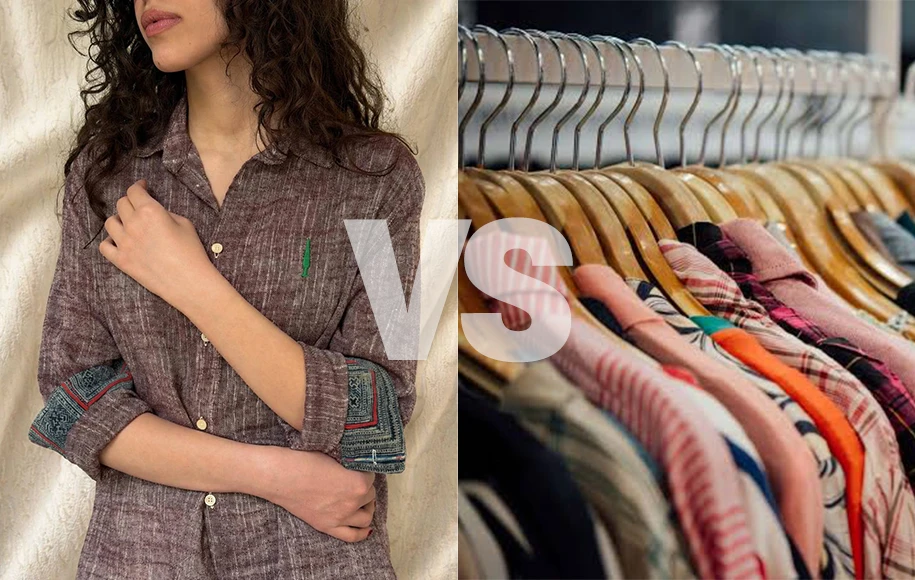
In a world where consumerism and mass production cast a shadow over the clothing industry, most of the garments we buy go “out of fashion” long before they wear out. Many of our wardrobes are full of clothes worn only a handful of times. not because they are damaged, but because they no longer feel “new.” This is no accident; it is the result of an economic model called fast fashion, and understanding it is the first step toward more conscious choices.
How Fast Fashion Works
The fashion industry traditionally had two main seasons: spring–summer and autumn–winter. Fast fashion tore that calendar apart; the industry’s biggest brands now release upwards of fifty “micro-seasons” a year. Nearly every week, shop windows and online stores fill with new pieces, and what you bought last week already looks dated.
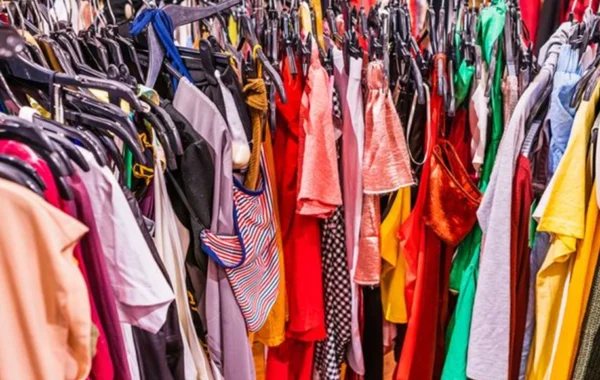
This model rests on three pillars: fleeting trends that change every season, quality built to last only until the next one, and prices kept low at any cost. In this cycle, clothing is disposable — designed fast, copied fast, discarded faster. And the low price is itself part of the mechanism: when a blouse costs as much as a meal, throwing it away becomes just as easy.
The Cost That Never Appears on the Tag
Who pays the real price of a cheap garment? The answer is not on the label. According to the UN Environment Programme, the clothing industry is one of the world’s most water-intensive, with a significant share of water pollution and carbon emissions. Cheap synthetic fibers release microplastic particles into the water cycle with every wash, and mountains of discarded clothing pile up in countries that played no part in the consumption.
The other share of this cost is paid by unseen hands — workers who, to get those micro-seasons into shop windows, labor under wages and conditions that never appear in any advertising campaign. Put these two hidden costs side by side, and that tempting price tag takes on a very different meaning.
Slow Fashion: An Answer to the Haste
Slow Fashion is a response to this cycle: buy less, buy better. Instead of volume, it rests on three principles:
Authenticity in Design: Where Copies Cannot Reach
In slow fashion, every piece has a story to tell. A design is not copied from a global trend; it begins with a cultural root, an old technique, or a personal narrative. Reinterpreted identity and culture, delicate needlework and precisely engineered cuts all speak of time; the one thing mass production never spends on a garment.
Sustainability: Clothing That Becomes an Heirloom
Quality materials and design built for longevity turn a garment from a disposable object into an heirloom that stays in the wardrobe for years and remains valuable. Sustainability here is not only an environmental choice; it carries an economic logic too. A garment worn for ten years, even at a higher price, ultimately costs less than ten garments that each lasted a single season.
A Handcrafted Signature in the Details
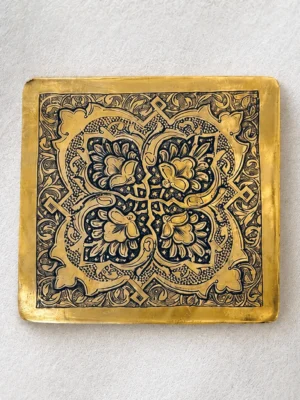
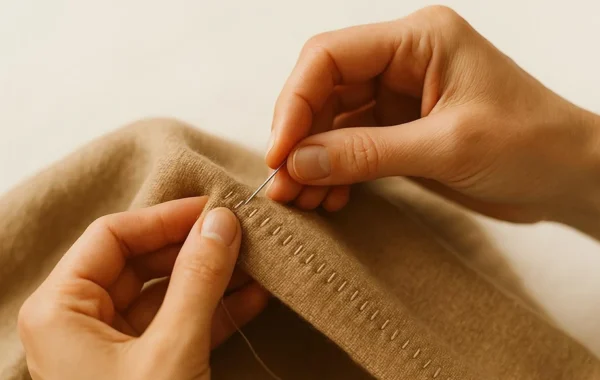
In slow fashion, “handmade” is not a marketing label; it is woven into the fabric itself. This is where an artist differs from a fast-fashion designer: the artist pursues self-expression, not merely market demand. The hand that embroiders or engraves a detail leaves a trace of itself that no production line can replicate.
How to Recognize a “Slow” Garment
To identify a genuine slow fashion piece, look for these signs:
- Seams and stitching: Clean seams, even stitches and tidy inner linings reveal the time spent making the garment.
- Materials: Natural fibers or quality blends that give a garment proper weight and drape are usually the first difference you feel by touch.
- Handcrafted details: Embroidery, ornaments or a button that is not industrially produced is the maker’s signature.
- A story: A slow fashion piece usually carries a narrative, from the design’s inspiration to its making. If the brand can tell that story, it has probably lived it.
- Limited numbers: Limited production is a precondition of quality. A piece released in thousands of identical copies cannot claim to be handmade.
This Philosophy in Naghmeh Kiumarsi’s Designs
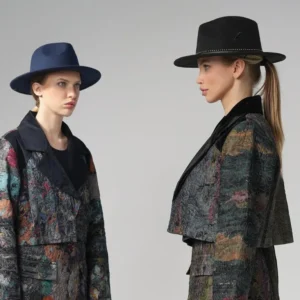
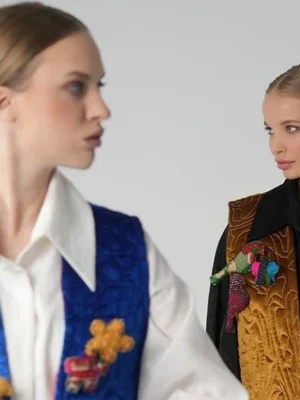
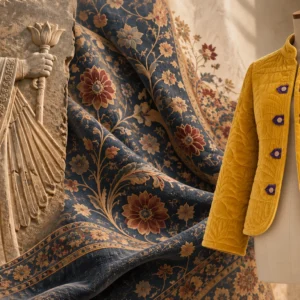
The work of this atelier follows these same principles. Each collection is designed with color palettes and compositions rooted in Iranian visual arts and history; traditional motifs and handcrafted details — from needlework to engraved ornaments and buttons — serve not as decoration, but as part of each piece’s narrative. Every garment is made in limited numbers, and the time spent on its details can be seen and felt in the piece itself. The result is clothing with no expiry date; because art, unlike trends, never expires.
A Choice for the Future
Moving beyond fast fashion is not one grand overnight decision; it begins with small choices. The next time you want to buy a garment, ask yourself a single question: where will this piece be in five years? If the answer is “still in my wardrobe,” you have chosen well.
The collections designed with time and love await you in the Collections section.