This article is an English translation of an exclusive interview originally published in Persian on Iran Modeling Magazine. It has been translated and republished on Naghme Kiumarsi’s official website to make her story accessible to an international audience.
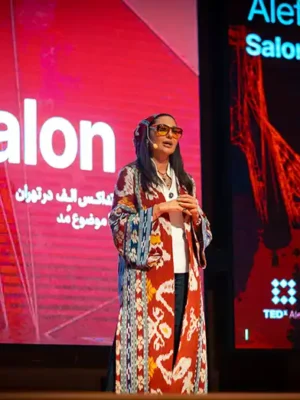
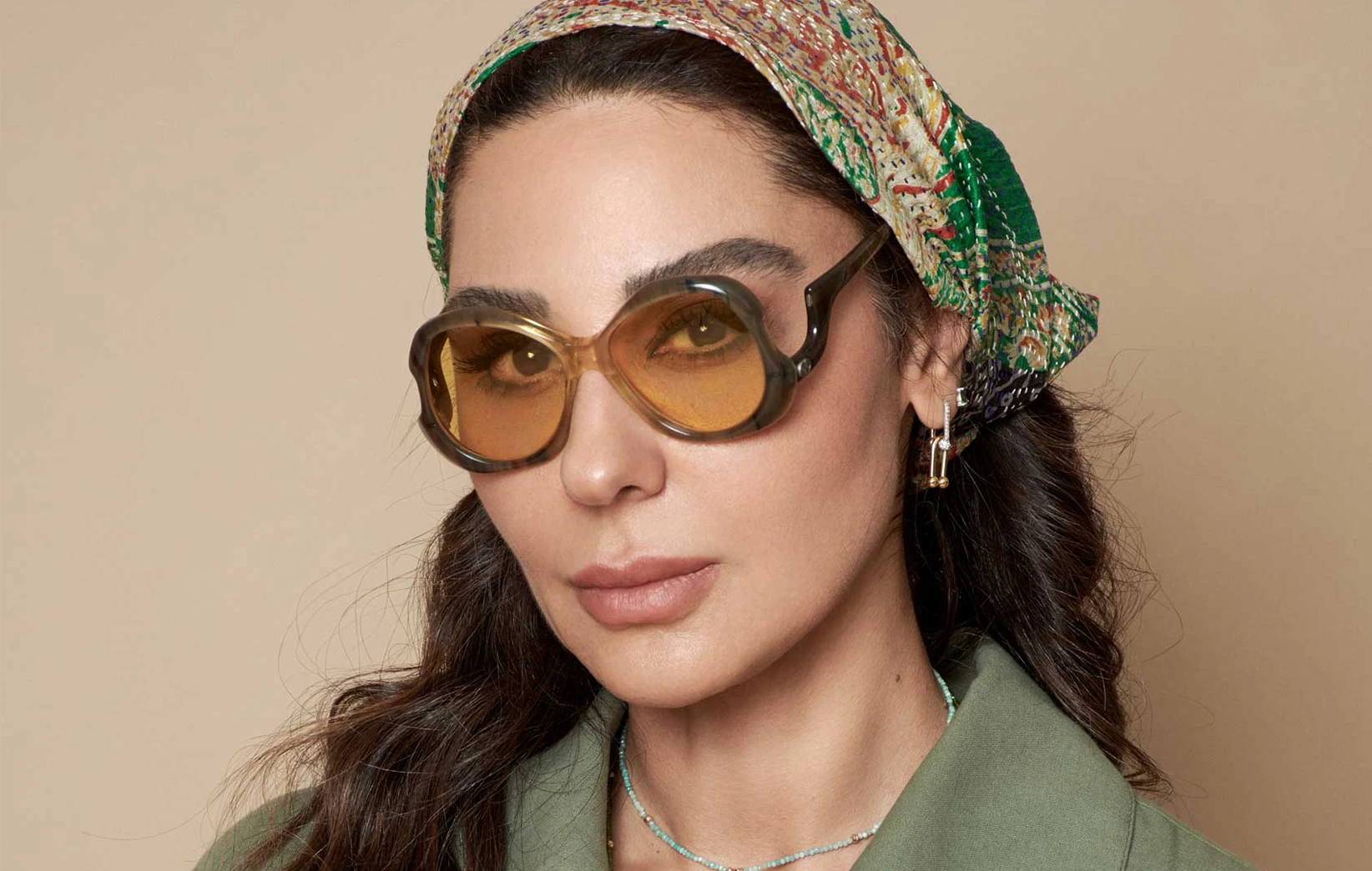
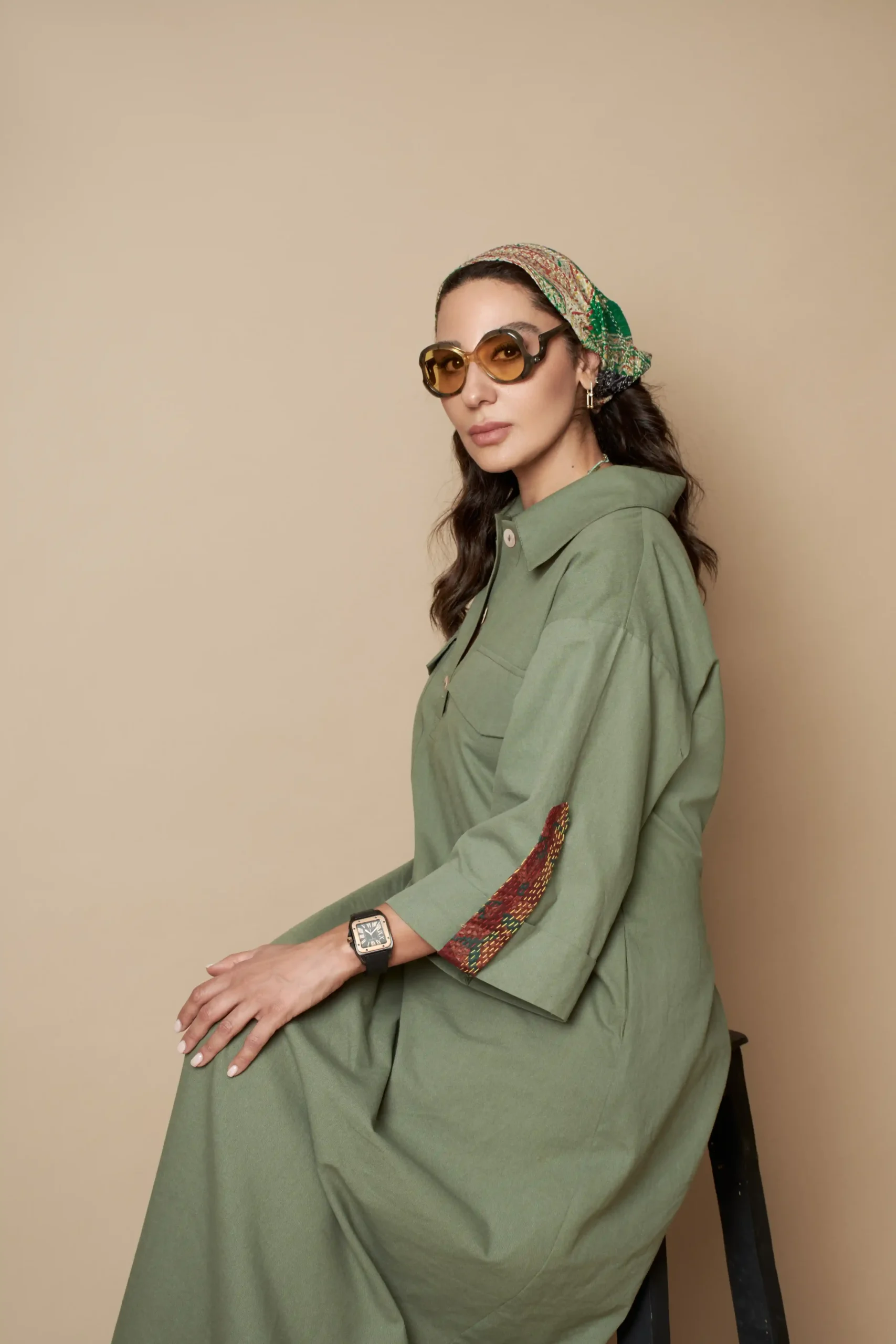
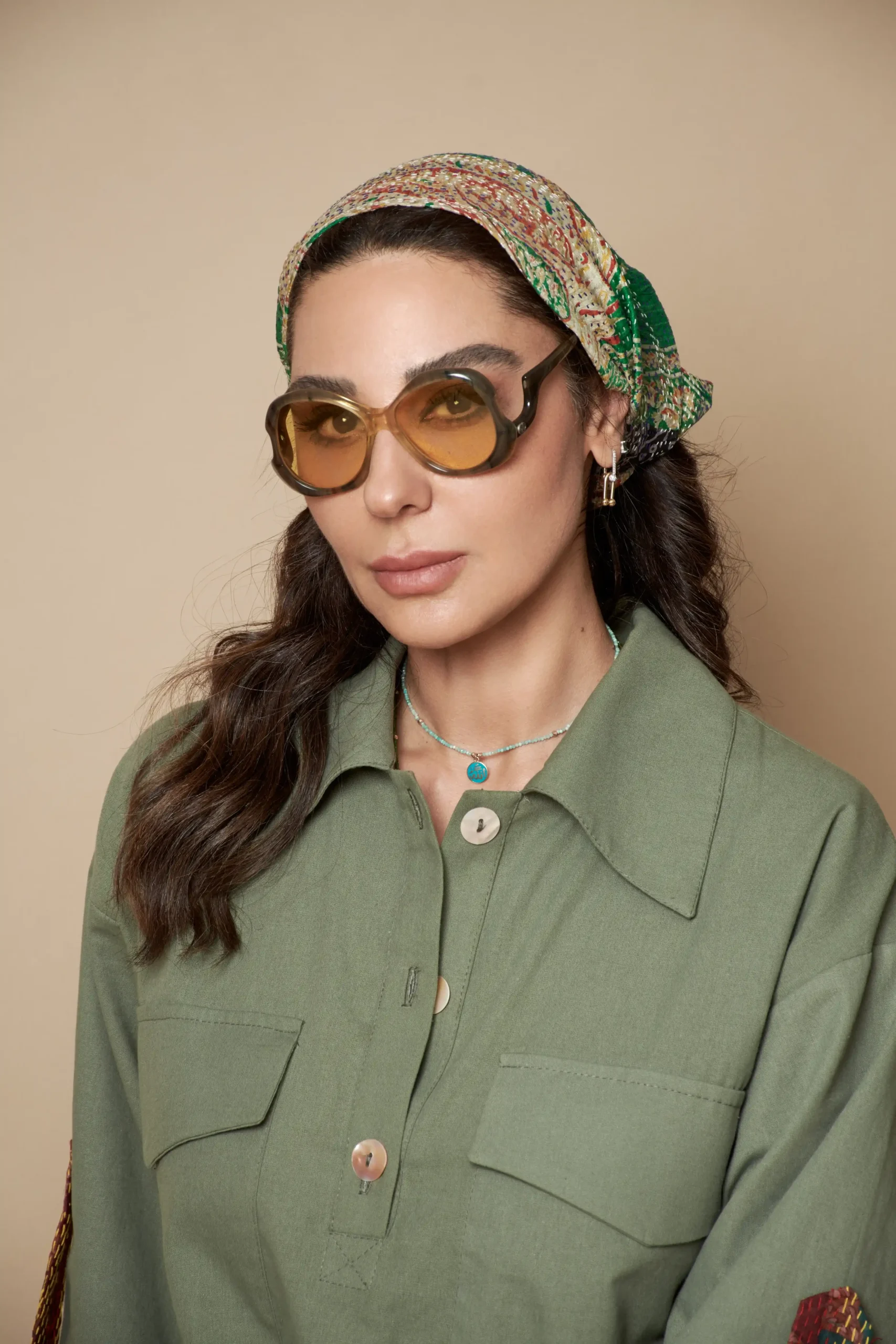
Naghmeh Kiumarsi is one of the leading designers in Iran’s women’s clothing industry. She was passionate about painting and design from childhood, and it didn’t take long for her to decide which career she wanted to pursue. She has followed fashion design from childhood to the present day. She started drawing at the age of five, learned embroidery at twelve, and quickly began studying the concepts of fashion and clothing design. Finally, in 2003, she launched her first line of shawls and manteaus.
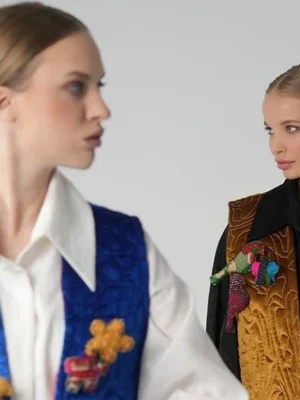
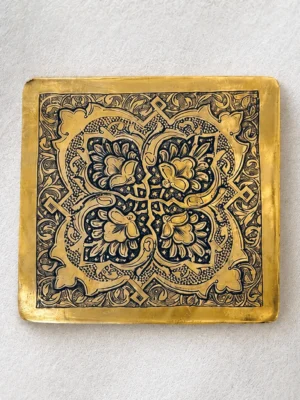
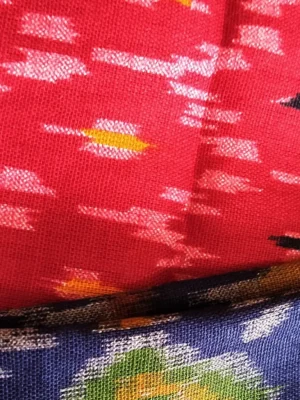
She is a third-generation designer whose work draws from the millennia-old heritage of her country, Iran. Her postmodern designs reflect the revival of handwoven fabrics, motifs, arabesque forms, and a fresh reinterpretation of Iranian patterns. On her path to becoming an international name, Naghmeh Kiumarsi registered her brand in Germany, and her design collections have been showcased in many European countries and the United Arab Emirates.
Ms. Kiumarsi, what drew you to the world of fashion design?
I loved painting since childhood, and because I spent a lot of free time with my grandmother, who was a skilled seamstress, one of our loveliest games was that I would draw and she would sew. At the age of 12, I learned hand embroidery, and I often wore the clothes I had designed myself, receiving admiration and that was the beginning of my interest in fashion and clothing design.
As the years went by, I intended to go to an art school, but for personal reasons I wasn’t able to, and I decided to pursue another business. Even so, I always designed my own clothes on the side. But it was around 2002 or 2003 that I stepped professionally into the world of fashion design, and the 40 pieces I designed that year sold out in two hours, and that gave me total motivation.
In your opinion, what makes a garment beautiful and unique, and which design styles inspire you?
In my view, what makes a garment beautiful and unique, apart from proper execution in cutting and sewing, is its concept and the way it is experienced by the viewer. Postmodern styles, fusion, and conceptual art have always been inspiring to me.
The path of fashion design in Iran and is it different from other countries?
In my opinion, unfortunately yes! And I’ll explain why. With all due respect to all clothing designers in Iran, it must be said that the path to becoming a fashion designer in Iran is very easy, because many women in my homeland want to enter this profession, and by copying a few designs from platforms like Pinterest, they produce clothes, which causes the market to become saturated with copied designs.
This is where we no longer witness the emergence of creativity, ideas, or new designs, and it only harms the market. We have worked very poorly in areas like children’s wear design, footwear, and menswear, because from my perspective, this industry needs more designers with specific expertise in these fields.
Ultimately, it must be said that the graduates who come to me from this field — I see that they either lack the confidence to enter the job market, or they need to be supported by established designers for their work to be seen, or they haven’t gained the essential knowledge from university and the universities don’t produce adequate graduates. I see this as one of the significant problems in Iran’s fashion industry.
Does a fashion designer need academic education, or is talent alone enough?
To become a fashion designer, you definitely need both, because they complement each other. Alongside these two, viewing the collections of world-renowned designers and great designs, constant practice and perseverance, and allowing yourself trial and error to gain experience and correct mistakes — because we are not meant to be approved by everyone in society, and our only goal is to improve the quality of our own work. Unfortunately, most people aim to quickly gain validation by using repetitive and overused designs, and this has led to the disappearance of creativity.
What is the design process like, from the initial idea to the final creation?
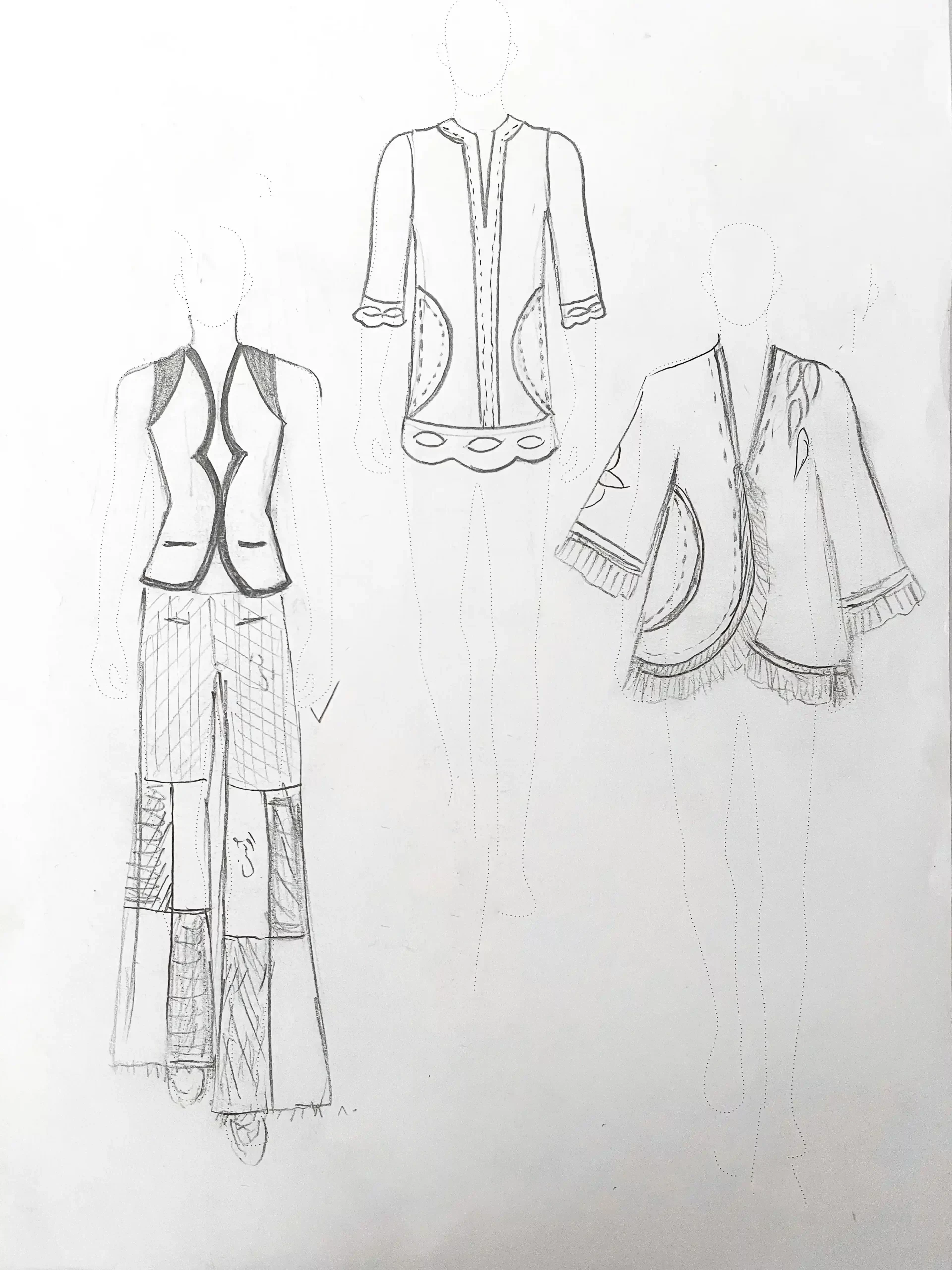
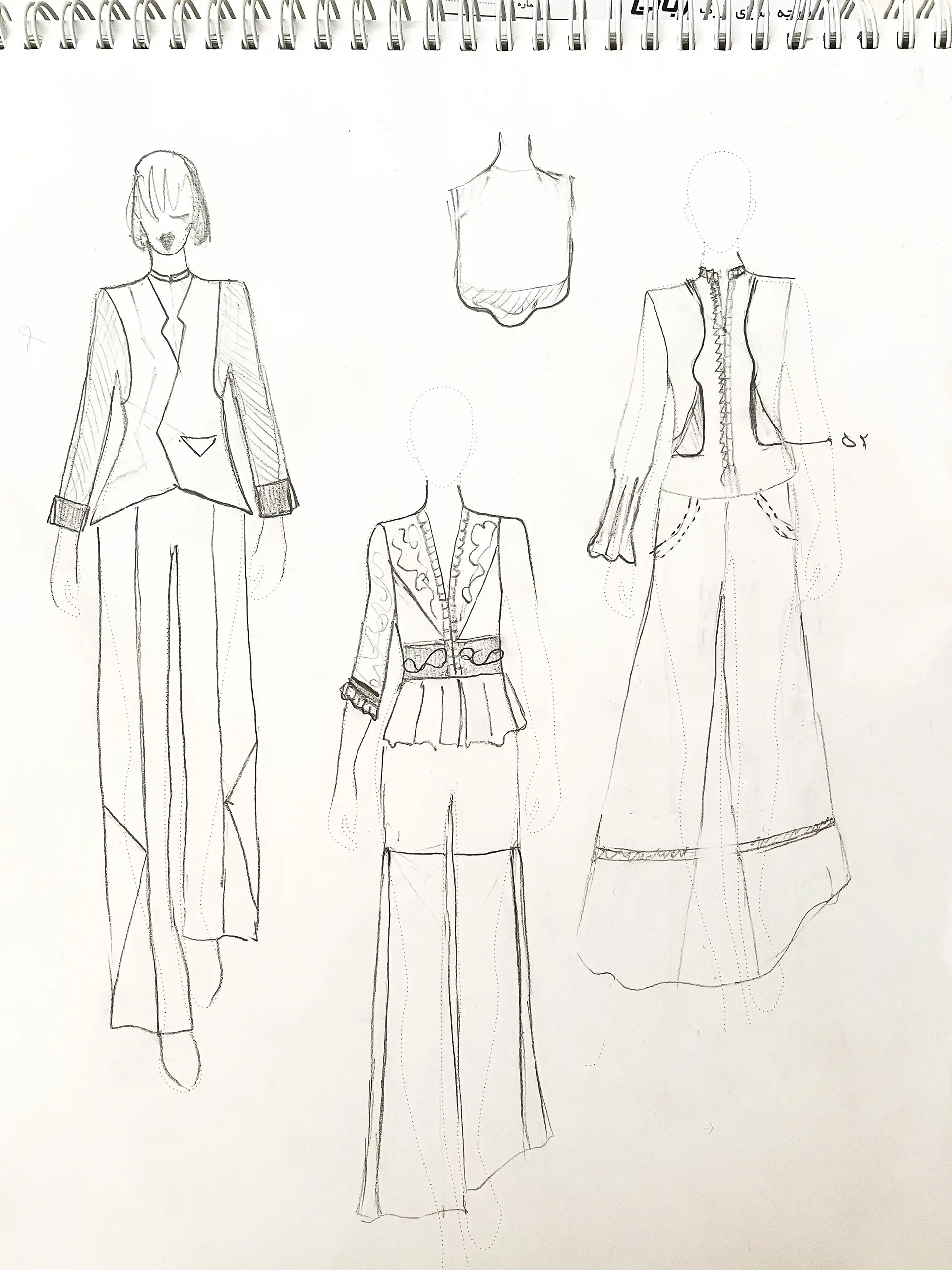
Before any design, I think about what message I want to convey to the audience with my designs and who is going to wear that garment. It’s interesting to know that there is always a word or theme that inspires me, and based on that, I see the colors and cuts and then execute them and this is deeply enjoyable for me.
What has been your biggest challenge and greatest achievement as a fashion designer?
From my perspective, my biggest challenge as a fashion designer has always been sourcing raw materials and unique fabrics to deliver the best quality to my audience. As for my greatest achievement, I would say that perhaps executing and conveying the concept of my designs to my clients is considered my greatest accomplishment.
How do you design clothing based on a client’s personality and individual needs?
For executing and designing this type of clothing for specific clients, I usually start working by understanding the client’s character, style, and personal interests, because I know what my particular client is interested in. But for new clients, I always take the time, and by asking specific questions, I take into account all of the person’s ideals and then start designing.
What advice do you have for those who want to become fashion designers?
My motto has always been: be yourself, and don’t be afraid to execute new ideas, and alongside that, don’t be afraid of not being approved by others. You must create even if you are not approved by the general public, and this very thing will allow you to discover your own unique principle and idea. The thing that sets you apart from other designers is your “signature style.”
How much capital is needed to start a fashion design business?
Well, it can’t be said precisely because it depends on the size and volume of your business. For example, if it’s a small business, it doesn’t require much capital to start. Moreover, identifying the target market, people’s interests, and the target audience are also very crucial aspects of this work.
As someone who has presented a collection at Milan Fashion Week, what are the conditions for presenting a collection in other countries?
Fundamentally, working at an international level is not easy. High standards, a strong concept, and a unique execution of the product speak the loudest, apart from the enormous costs it entails for the fashion designer. Being able to have a voice among international designers is no simple task and requires years of experience, because international designers, given the facilities, conditions, and executional equipment they have at their disposal, are undoubtedly in a better position.
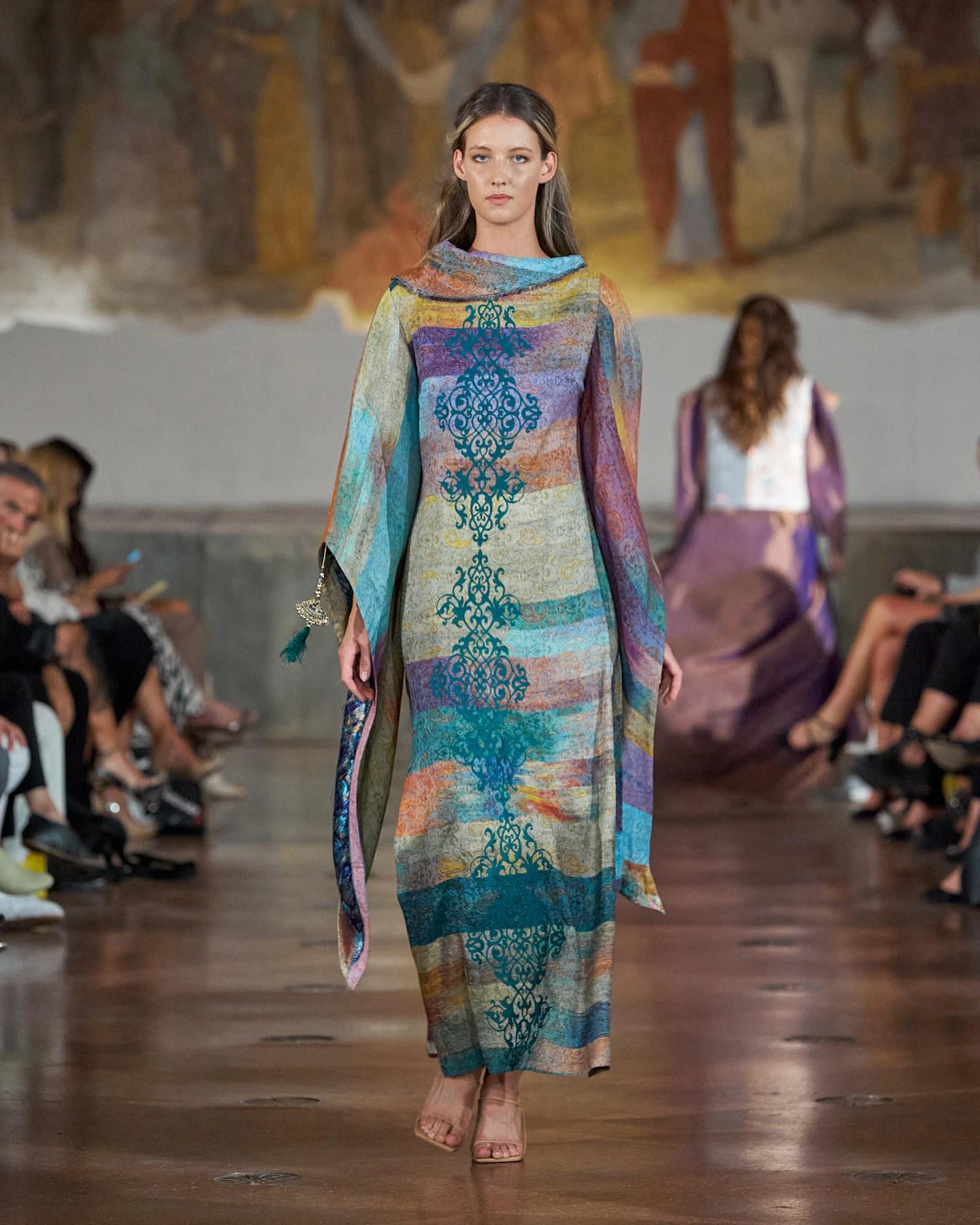
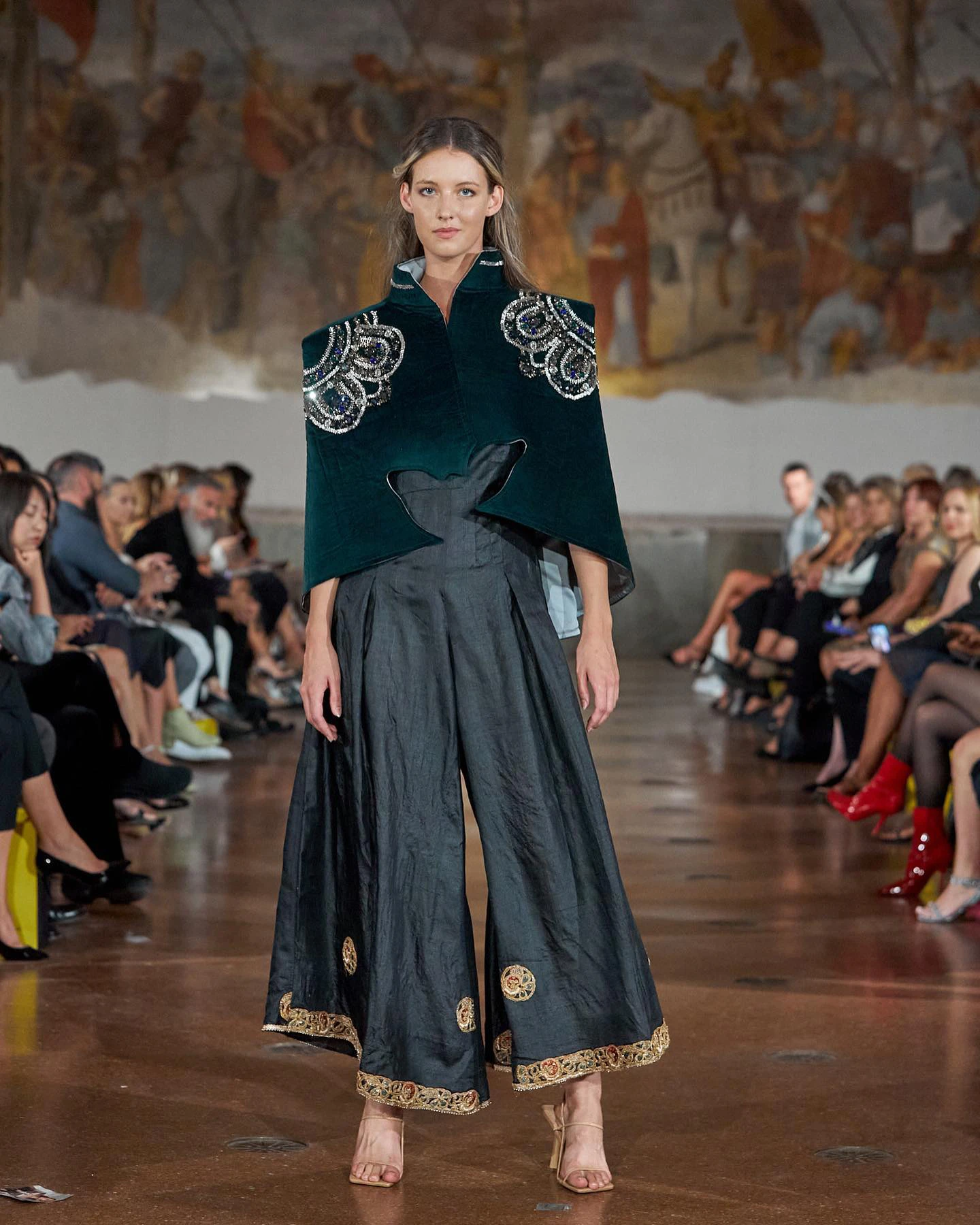
How were the models for your Milan Fashion Week show selected, and did you have specific criteria in mind?
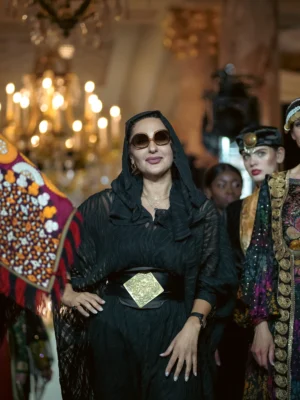
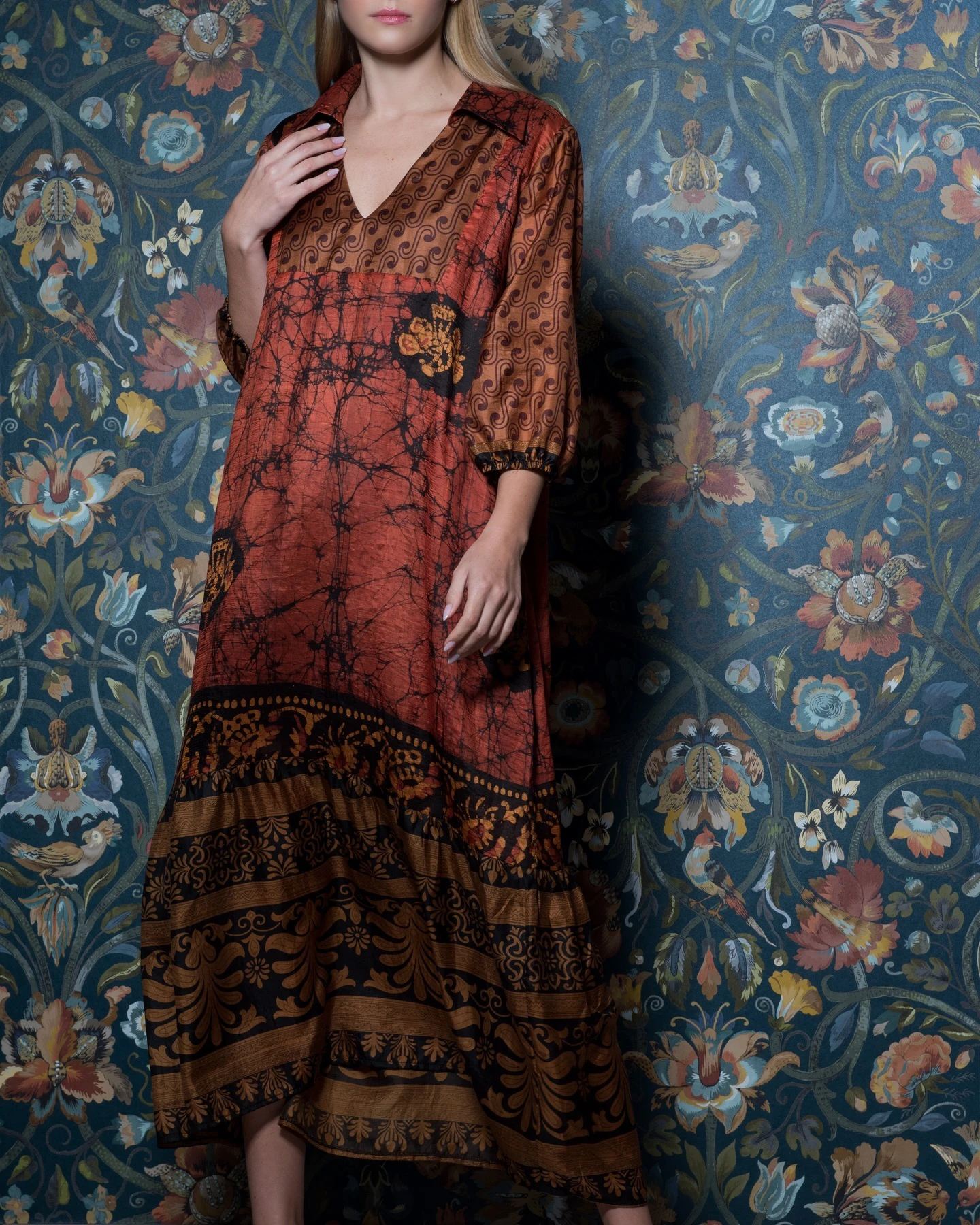
In line with presenting my collection “Flowers of Shah Abbas Garden“, my preference was to use models from all ethnicities just like flowers, which are diverse and beautiful in form and color. I even included models of Asian and Native American descent in this collection, and the final result was deeply gratifying for me. The concept for this collection was drawn from the Safavid era and the arabesque and medallion (lachak-o-toranj) patterns of flowers in Persian carpets, and it was ultimately presented as a distinguished, luxurious collection.
How much did the models cost for the fashion show, and how are these costs paid?
I must tell you that a very large sum was paid both for the production and for participating in this fashion show. Considering the dollar-to-rial exchange rate, you should know it was an enormous cost, and I cannot give you an exact figure.
Iran Modeling Magazine wishes Lady Naghmeh Kiumarsi the very best.